COMPOSITE EXAMPLE, not a real individual's bag
Home Health Nurse Bag Essentials: When Your Car Is Your Unit
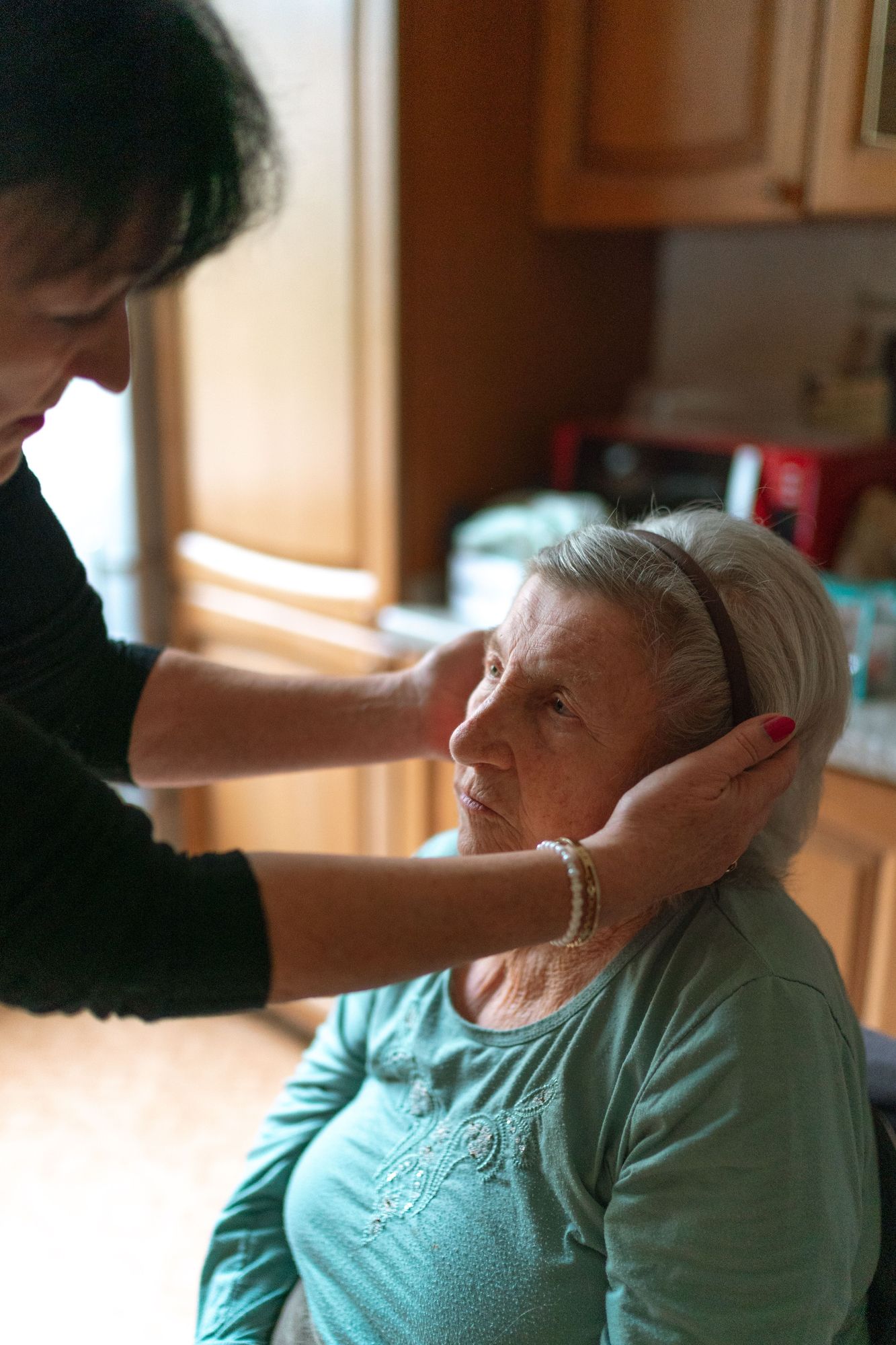
Photo: Jsme MILA / Pexels
The flat-lay
Agency-supplied nursing bag (kept to agency bag-technique policy)
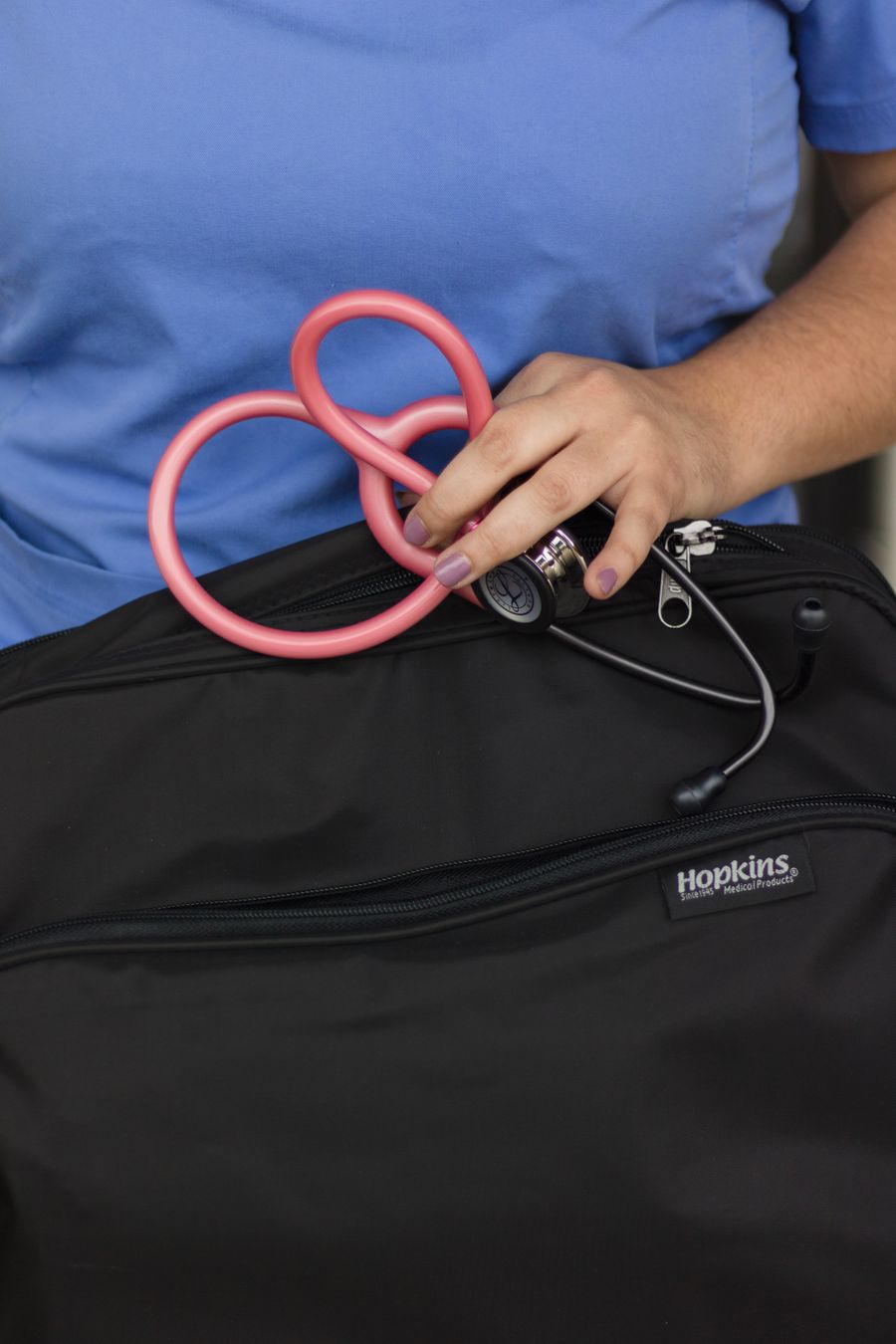
Stethoscope and blood pressure cuff
Pulse oximeter and thermometer
Hand sanitizer and a barrier (pad or liner) for your bag
Gloves and basic PPE
Charged laptop or tablet plus car charger
Phone with offline maps
Water and snacks in the car
Comfortable, easy-off shoes and shoe covers (if your agency allows)
Flashlight
Agency safety contact saved on speed dial
(Note: home health agencies usually supply and set rules for the clinical supply bag. Follow your agency's infection-control and "bag technique" policy.)
Photo: Yasser Hernandez / Pexels
- Agency-supplied nursing bag (kept to agency bag-technique policy). Clean supplies stay clean between homes.
- Stethoscope and blood pressure cuff. Every visit starts with vitals.
- Pulse oximeter and thermometer. No monitor on the wall to lean on.
- Hand sanitizer and a barrier (pad or liner) for your bag. Every kitchen table is a new surface.
- Gloves and basic PPE. Ready before you knock.
- Charged laptop or tablet plus car charger. Charting happens between driveways.
- Phone with offline maps. Rural roads and dead zones are real.
- Water and snacks in the car. Lunch might be in a parking lot.
- Comfortable, easy-off shoes and shoe covers (if your agency allows). Some homes ask you to remove shoes.
- Flashlight. For dim homes, dark porches and early winter evenings.
- Agency safety contact saved on speed dial. Home visits mean working alone. Know your check-in plan.
Sponsor slot (future). Future sponsor/affiliate slot — one labeled "Sponsored gear pick" block; only when a sponsor is lined up