Charge Nurse Tips: Holding the Board Without Carrying the Whole Unit
For the nurse who has charge *and* a full assignment, and for everyone who works with them.

Photo: RDNE Stock project / Pexels
Charge is a leadership role that often comes with no title change, little training and, on many units, a full patient assignment on top. You're making assignments, taking admissions, fielding calls from the house supervisor and the family in 12, and trying to be fair to everyone.
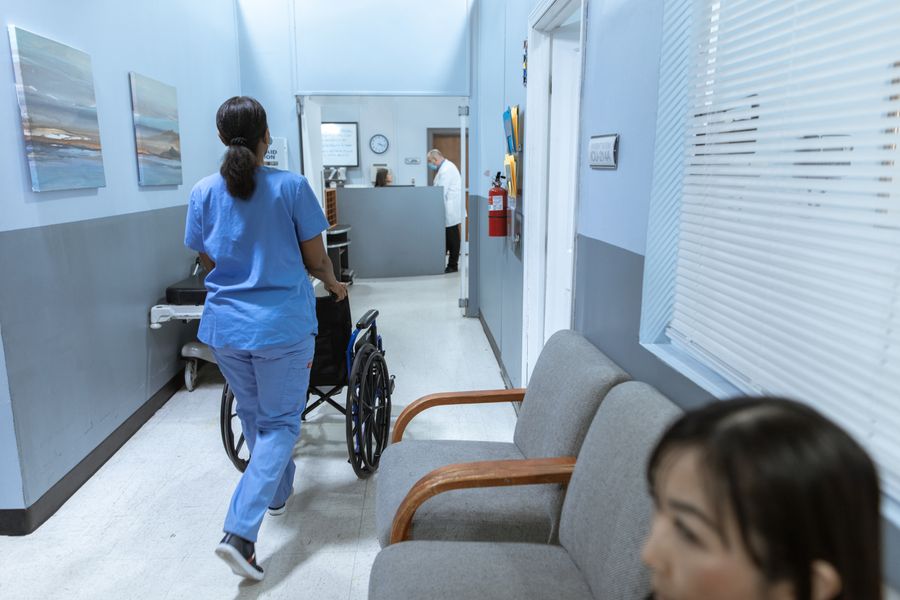
Photo: RDNE Stock project / Pexels
Some honest truths: you can't make a short-staffed shift feel fully staffed. What you can do is make assignments transparent, escalate early with facts, and protect the basics (breaks, safe assignments, help for the drowning nurse) as much as the board allows. Pages 1 and 4 of this section have scripts you can borrow for your staff and for the house supervisor.
Practical takeaways:
- Build assignments around acuity and skill mix, not just patient count, and say out loud how you did it.
- Escalate early, using specifics (pending admits, acuity, open shifts) instead of "we're slammed."
- Schedule breaks at the start of the shift, including your own.
- Ask your manager for charge-nurse training and a clear list of what you're authorized to decide.
Scripts:
- To the house supervisor: "We have [number] nurses, [number] patients, [number] pending admits, and two high-acuity patients. I can't safely take another admit without another nurse. What are our options?"
- To your team: "Here's how I built the board: acuity first, then geography. Tell me now if something doesn't work."
Sources: No statistics used.