Hospital Parking for Nurses: Badging, Safe Walks and the Drowsy Drive Home
The shift starts in the parking garage and ends in your driveway.
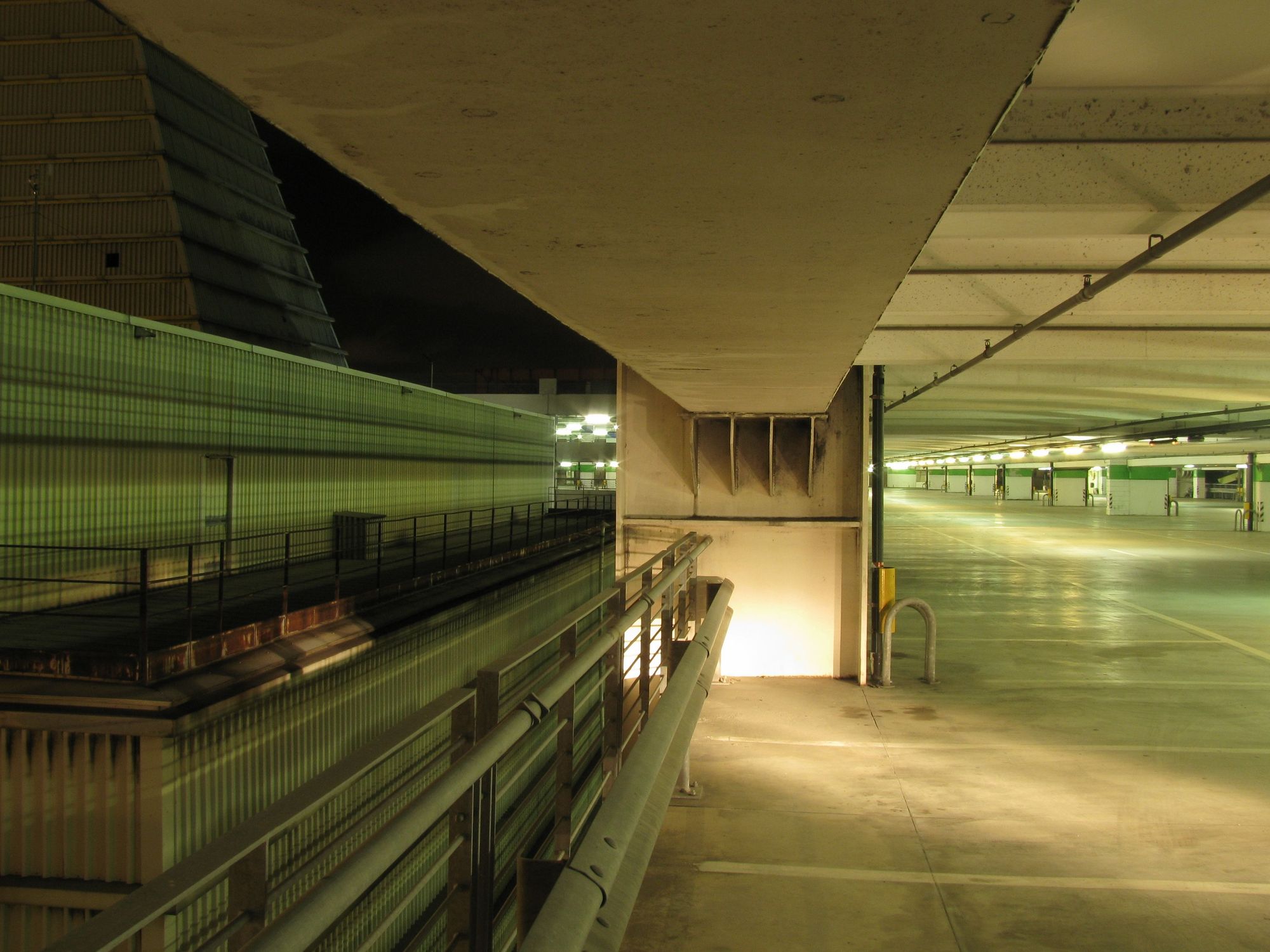
Photo: Paolo Busellato / Pexels
It seems minor until you're circling a full garage at 0650, or walking to a dark lot at 0730 after a night shift. Parking, badge access and the commute are real parts of a nurse's day, and the drive home after nights carries real risk.
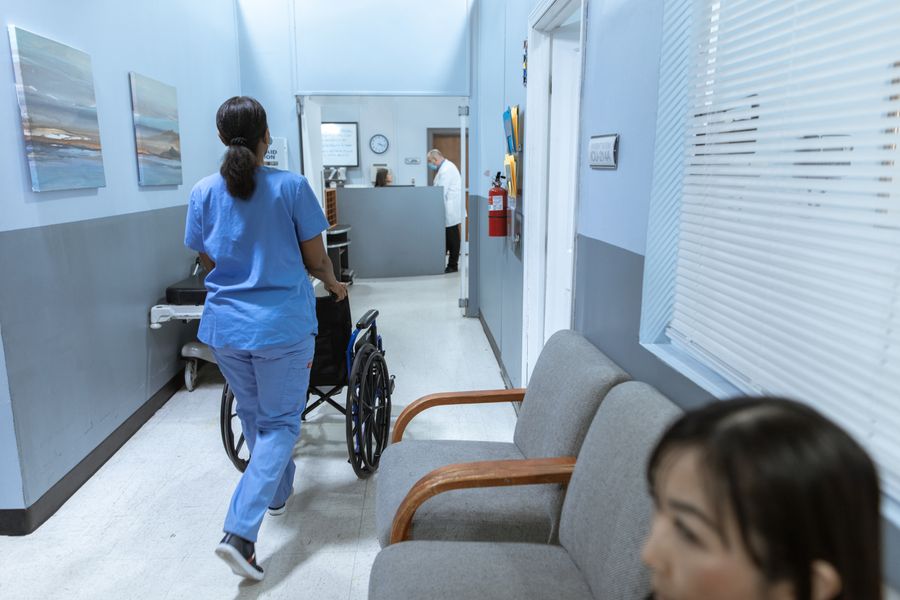
Photo: RDNE Stock project / Pexels
NIOSH's training for health care workers notes that mistakes by fatigued workers can lead to motor vehicle crashes on the work commute (NIOSH, Shiftwork, Long Work Hours, Fatigue, 2022, cdc.gov/niosh/learning/safetyculturehc/module-2/9.html). NIOSH also suggests that when overtime can't be avoided, employers consider services such as transportation home for fatigued nurses (NIOSH Training for Nurses, Module 5, cdc.gov/niosh/work-hour-training-for-nurses/longhours/mod5/1).
Practical takeaways:
- Ask security about escort services for off-hours walks to parking, and save the number in your phone.
- Report broken lights, broken badge readers and unsafe lots in writing. These are safety issues.
- After nights, use a plan you trust (a short nap before driving, a ride, or transit) if you're too drowsy to drive safely.
- If staff parking is far or full, raise it through your unit council or employee forum with specifics (times, lot, safety concerns).
Scripts:
- To security: "I'm leaving the ED at 0730 for Lot C. Can someone walk me out?"
- To your manager: "The badge reader at the staff entrance has been down for a week, and nurses are propping the door. Who can fix it?"
Sources: NIOSH (2022) and NIOSH Training Module 5, links above