Hydration Isn't a Luxury: Why Nurses Run Dry on a 12-Hour Shift, and How to Fix It
Research on working nurses finds that many start their shift already low on fluids and finish it worse. Here's what the studies show, why it matters for your thinking and your bladder, and the habits that actually hold up on a full assignment.
By RNSignal Editorial | November 2026
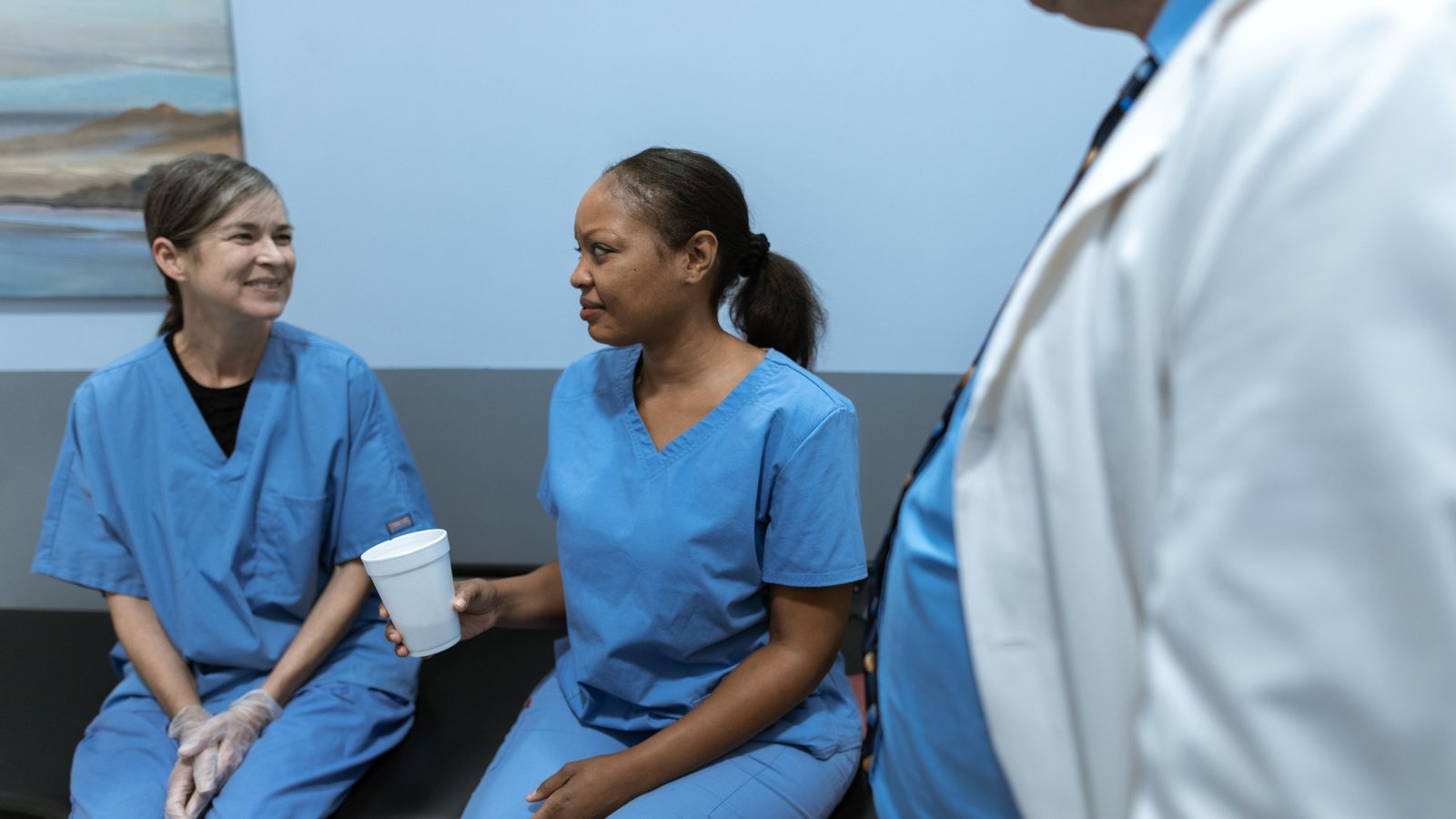
You know the pattern. You fill your water bottle at 6:45, take it to report, set it down at the station and pick it up again at 7:15 at night, still full. In between: two admissions, a rapid response, a family meeting and a call light that never stopped.
On October 29 we asked nurses a simple question on X: by the end of a shift, is your bottle refilled twice, or still full? The answers matched what nurses tell each other at the station every day. Water is usually the first thing to slide.
It's rarely about not knowing better. Nurses teach fluid balance for a living. The problem is the shift itself. At RNSignal, we went to the research to see how big the gap really is, and what working nurses can do about it.
What the research shows
The most direct evidence comes from the HANDS study, published in Clinical Nutrition. Researchers tested 88 nurses and doctors across 130 shifts on medical and surgical admission wards at a university teaching hospital, checking urine samples, blood work and cognitive function at the start and end of each shift.
- 36% were dehydrated at the start of their shift.
- 45% were dehydrated at the end.
- 41% had low urine output (oliguria) by the end of the shift.
- Short-term memory scores were significantly worse in participants who were dehydrated.
A larger study of day-shift nurses in Japan, published in the Journal of International Nursing Research, measured urine specific gravity and body weight in 115 registered nurses across 19 wards in two hospitals. 51.3% were dehydrated before their shift, and 71.3% were dehydrated after it. Nurses who started the shift less hydrated were more likely to end it dehydrated, and newer nurses were at higher risk. The authors recommend that managers encourage less experienced nurses in particular to drink water.
Two findings stand out for working nurses:
- Many nurses start behind. In both studies, a large share of nurses were already dehydrated when they walked onto the unit, before the first med pass.
- The shift makes it worse. In both studies, the share of dehydrated nurses was higher at the end of the shift than at the start.
Why it matters on the unit
The HANDS researchers note that losing as little as 2% of body weight to dehydration may impair physical and cognitive performance. In their own data, the nurses and doctors who were dehydrated scored worse on short-term memory tests.
The CDC lists unclear thinking, mood changes, overheating, constipation and kidney stones among the effects dehydration can cause.
Now think about what a 12-hour shift asks of your short-term memory: holding a set of vitals in your head while you chart, catching a dose that doesn't look right, remembering the request a patient made three rooms ago. Those are the tasks you want your brain at full strength for.
Hydration isn't the only thing working against you. A study of 80 hospital RNs on 12-hour shifts, published in Chronobiology International, found that nurses slept an average of only 5.5 hours between shifts and grew progressively sleepier across consecutive shifts. The researchers also noted extensive caffeine use. Thin sleep and low fluids together are a hard way to run a 12.
The bathroom problem nobody charts
There's a reason many nurses drink less on shift: if you drink, you have to pee, and on a short-staffed unit that can feel impossible.
A survey of female nurses and midwives at three hospitals in New South Wales, Australia, published in the Journal of Advanced Nursing, put numbers on it:
- 77.1% delayed voiding at work.
- 26.9% deliberately limited their fluid intake to avoid needing the bathroom.
- 22.4% reported restricted access to toilets at work.
- 46.7% had urinary symptoms at work.
Those habits had a cost on the job, too. Delaying voiding was linked to impaired mental concentration, and limiting fluids was linked to impaired time management.
A study of 13,191 female nurses in 20 hospitals in China, published in The Journal of Urology, found that more than half (51%) had lower urinary tract symptoms, and that delayed voiding was the path through which heavier perceived workloads led to those symptoms. In plain terms: the busier the shift feels, the longer nurses hold it, and their bladders pay for it.
You have a right to the bathroom, too. OSHA interprets its sanitation standard (29 CFR 1910.141) to require that employers make toilet facilities available so employees can use them when they need to, and says employers may not impose unreasonable restrictions on that use. In that guidance, OSHA notes that holding urine voluntarily can lead to more frequent urinary tract infections.
How much is enough?
There's no single number that fits every nurse, and the experts say so. The National Academies set an adequate intake of about 2.7 liters of total water a day for women and 3.7 liters for men, counting water from all beverages and food. About 80% of that typically comes from drinks, including caffeinated ones, and about 20% from food. The panel noted that people who are very physically active or in hot conditions may need more.
The panel's own advice was to let thirst be your guide for most healthy people. On a 12-hour shift, that's the catch: thirst is easy to miss when you haven't had a free minute since report. That's why habits matter more than targets.
Water habits that hold up on a 12-hour shift
These are practical, low-effort habits built around the way a shift actually runs.
1. Start the shift ahead, not behind
Both the HANDS and Japanese studies found many nurses were already dehydrated when their shift began, and the Japanese study found that starting status predicted ending status. So the most important drink of the day may be the one before you clock in.
- Drink a full glass of water with breakfast, or before you leave for a night shift.
- Fill your bottle before report, not after the first rush.
2. Tie refills to things that already happen
You won't remember "drink more water" at hour nine. You will remember routines you already do.
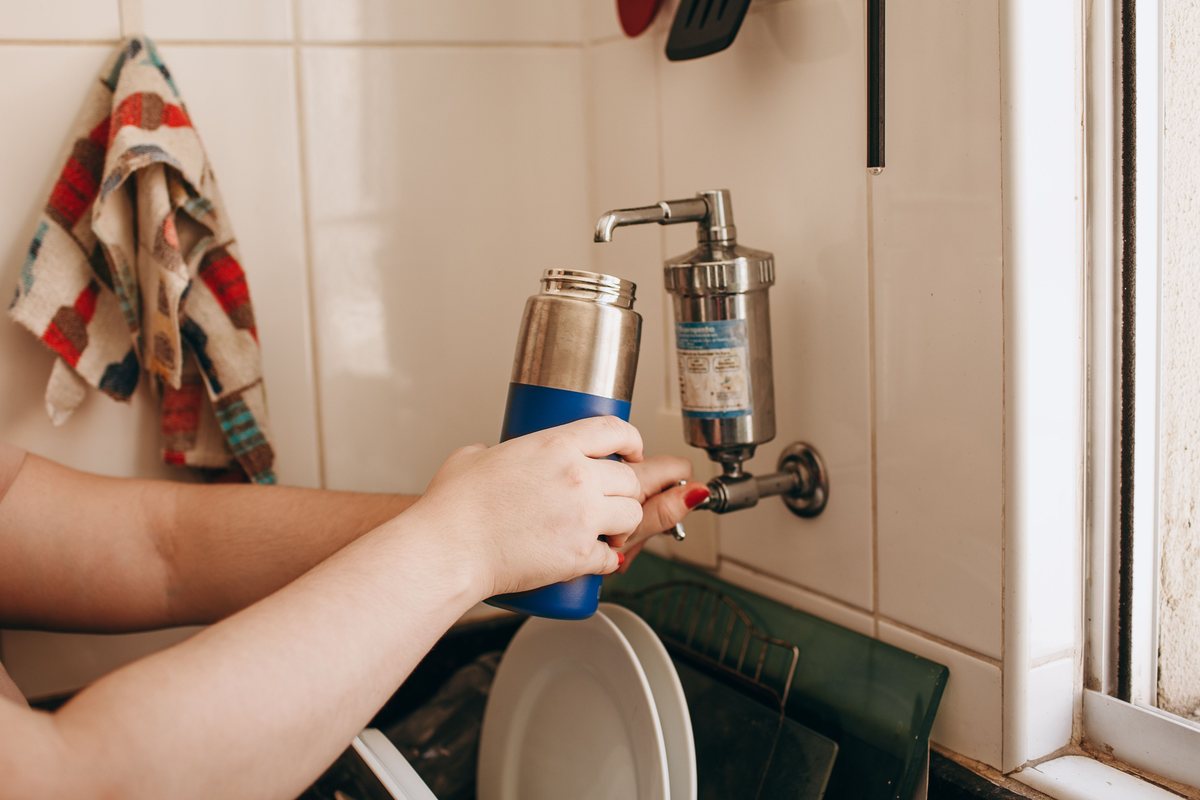
- Refill at every break, even a short one.
- Drink when you finish a med pass or your hourly rounds.
- Sip before you sit down to chart.
3. Keep it where you can reach it, where your unit allows
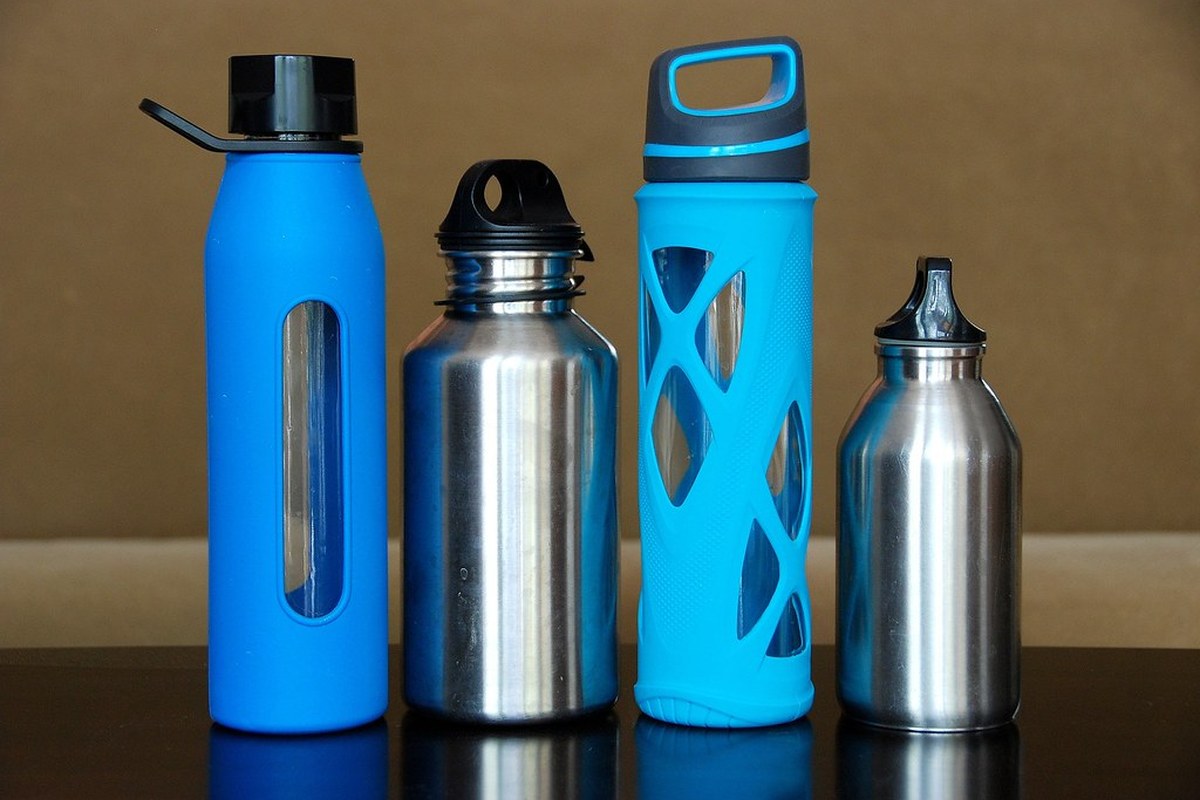
The CDC's first tip for drinking more water is to carry a reusable bottle. On a unit, that means keeping it somewhere you pass often. Infection prevention rules vary, so follow your unit's policy: many allow covered drinks in staff-only areas like the break room or behind the station, but not in patient care areas.
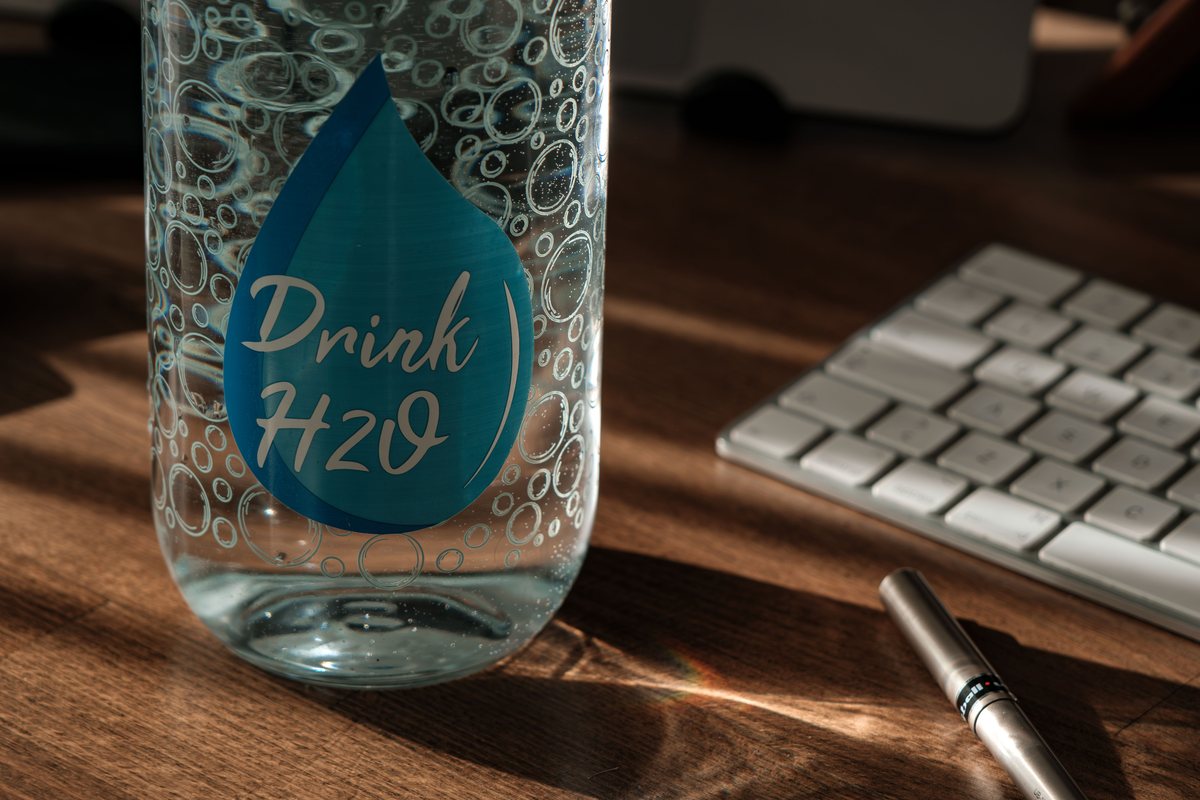
- A lidded bottle with measurement marks makes it easy to see how you're doing at a glance.
- Freezing a bottle the night before gives you cold water for hours. That's another CDC tip.
4. Be smart about coffee and energy drinks
Coffee counts toward your fluids. The National Academies counted caffeinated beverages in total water intake. But the CDC says moderate caffeine, up to 400 mg a day, or about 2 to 3 cups of plain coffee, can be part of a healthy diet for most adults. On a long shift, it's easy to go past that.
The CDC also flags energy drinks, which can contain added sugar and large amounts of caffeine and other stimulants. If you're reaching for one at 3 a.m., try a cold bottle of water first.
5. Don't skip the bathroom to save time
Given the research above, limiting fluids so you don't have to pee trades a short-term convenience for real problems with concentration and bladder health.
- Pair up with a coworker to cover each other for bathroom breaks, the same way you cover lunch.
- If you're routinely unable to get to the bathroom, raise it with your manager or staffing committee, and document it. Under OSHA's guidance, restrictions on access must be reasonable.
6. Know the warning signs, in yourself
You watch for these in patients every day. Watch for them in yourself: unclear thinking, mood changes, overheating and constipation are all on the CDC's list. If you hit hour eight with a headache and a full bottle, that's your cue.

What managers and charge nurses can do
Hydration on shift isn't only a personal habit. It's a staffing and culture issue. The Japanese study's authors specifically recommend that managers encourage newer nurses to drink water. A few ideas for nurse leaders:
- Make a staff hydration station easy to reach, with a clear policy on where covered drinks are allowed.
- Build bathroom and water coverage into break planning, so nobody has to ask twice.
- Model it. When charge nurses take a water break, newer nurses notice.
The bottom line
The research is consistent: a large share of nurses start their shift already low on fluids and end it worse, and the habits that cause it, holding it and skipping water to save time, are tied to worse concentration and bladder health. None of that is a personal failing. It's what happens when a 12-hour shift leaves no time to take care of yourself.
You can't fix staffing with a water bottle. But you can start the shift ahead, tie refills to routines you already do and treat a bathroom break as part of safe practice, not a luxury.
Your bottle at 7: refilled twice, or still full? Tell us what helps you stay hydrated on shift. We're listening.
Sources
- El-Sharkawy AM, Bragg D, Watson P, et al. "Hydration amongst nurses and doctors on-call (the HANDS on prospective cohort study)." Clinical Nutrition, 2016: pubmed.ncbi.nlm.nih.gov/26216194/ (36%/45% dehydrated at start/end, 41% oliguric, short-term memory impairment, 2% body-weight threshold)
- Kase, Tanaka, Amemiya, et al. "Dehydration of nurses working in the day shift and its factors: A multicenter cross-sectional observational study." Journal of International Nursing Research, 2022: doi.org/10.53044/jinr.2021-0007 (115 RNs, 51.3% before / 71.3% after shift; manager recommendation)
- Geiger-Brown J, Rogers VE, Trinkoff AM, et al. "Sleep, sleepiness, fatigue, and performance of 12-hour-shift nurses." Chronobiology International, 2012: pubmed.ncbi.nlm.nih.gov/22324559/ (5.5 hours average sleep, extensive caffeine use)
- Pierce HM, Perry L, Gallagher R, et al. "Delaying voiding, limiting fluids, urinary symptoms, and work productivity: A survey of female nurses and midwives." Journal of Advanced Nursing, 2019: pubmed.ncbi.nlm.nih.gov/31236988/ (77.1%, 26.9%, 22.4%, 46.7%; concentration and time management)
- Rao Y, Wu C, Xu D, et al. "Nursing Workloads and Lower Urinary Tract Symptoms Among Chinese Female Nurses: The Mediating Role of Delayed Voiding Behaviors." The Journal of Urology, 2024: pubmed.ncbi.nlm.nih.gov/38285757/ (13,191 nurses, 51% LUTS)
- National Academies (Institute of Medicine), "Report Sets Dietary Intake Levels for Water, Salt, and Potassium," 2004: nationalacademies.org/news/report-sets-dietary-intake-levels (2.7 L / 3.7 L total water, 80/20 beverages/food, thirst as guide)
- CDC, "About Water and Healthier Drinks," updated Mar. 5, 2026: cdc.gov/healthy-weight-growth/water-healthy-drinks/index.htm (dehydration effects, bottle/freezing tips, 400 mg caffeine, energy drinks)
- OSHA, "Interpretation of 29 CFR 1910.141(c)(1)(i): Toilet Facilities," Apr. 6, 1998: osha.gov/laws-regs/standardinterpretations/1998-04-06-0