Alarm Fatigue in Nursing: Cutting the Noise Without Missing the Signal
Most alarms don't need action. The few that do are why this matters.
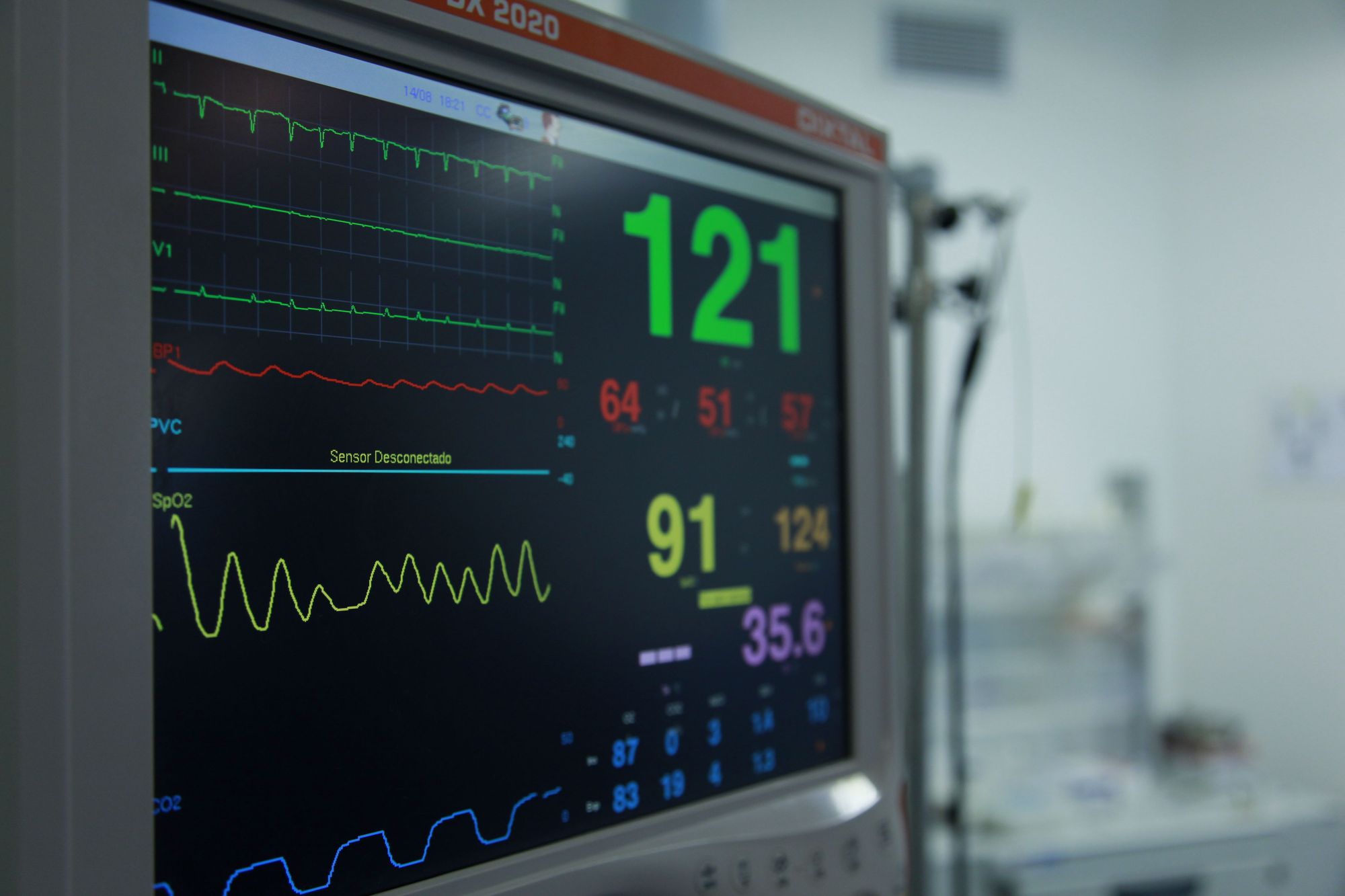
Beeps from the pump, the monitor, the bed alarm, the call light, and three phones. By hour ten, your brain starts filtering it out. That's alarm fatigue, and it's a recognized safety risk, not a personal failing.
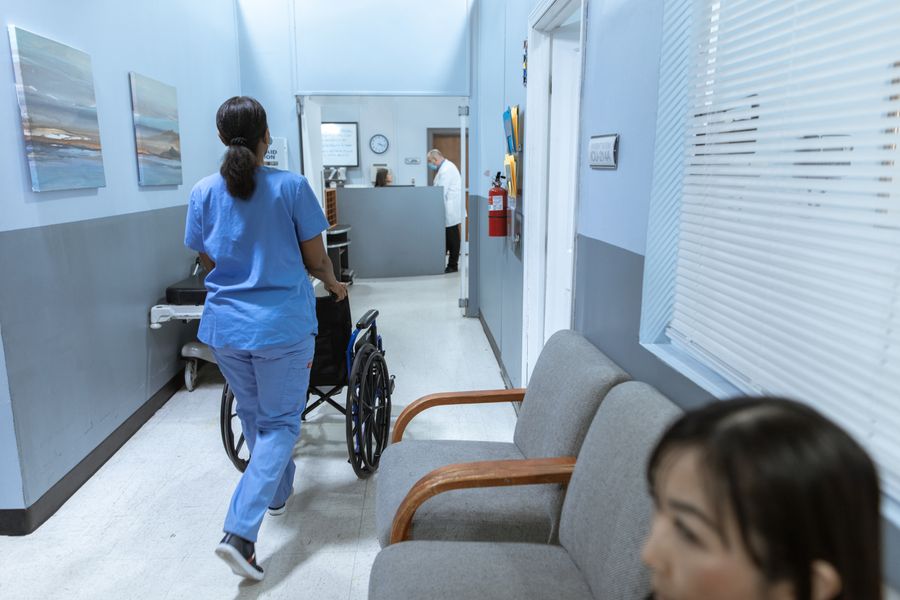
Photo: RDNE Stock project / Pexels
The Joint Commission's 2026 hospital National Performance Goals require hospitals to identify their most important alarm signals, including whether specific alarms are needed or "unnecessarily contribute to alarm noise and alarm fatigue." Hospitals must also set policies on clinically appropriate settings, when alarms can be disabled or changed, who has authority to change them, and how alarms are monitored and answered (Joint Commission, National Performance Goals Effective January 2026, NPG.01.05.01, digitalassets.jointcommission.org/api/public/content/9ca8005).
In plain terms, your hospital should have a written answer to "who can change this alarm limit?" If nobody on your unit knows it, that's a fixable gap.
Practical takeaways:
- Learn your unit's alarm policy: who can adjust parameters, and when an individualized limit is allowed for a specific patient.
- At the start of the shift, check that alarm limits fit each patient (within policy) instead of running everyone on defaults.
- Fix nuisance alarms at the source where policy allows, such as a fresh electrode or a repositioned probe.
- For call lights, agree on a team rule (for example, anyone passing answers and gets help) so the assigned nurse isn't the only responder.
Scripts:
- "This patient's monitor alarms every few minutes at a rate that's normal for them. Can we review individualized limits per our policy?"
- At huddle: "Can we try 'whoever's closest answers the call light' this shift and see how it goes?"
Sources: Joint Commission NPG 2026 (hospital), NPG.01.05.01, link above