5 Healthy Shift Lunches You Can Pack in 10 Minutes
They hold up through a 12-hour shift — in a locker, a break-room fridge, or with no microwave at all. Here's how to pack them, keep them safe, and actually eat on a short break.
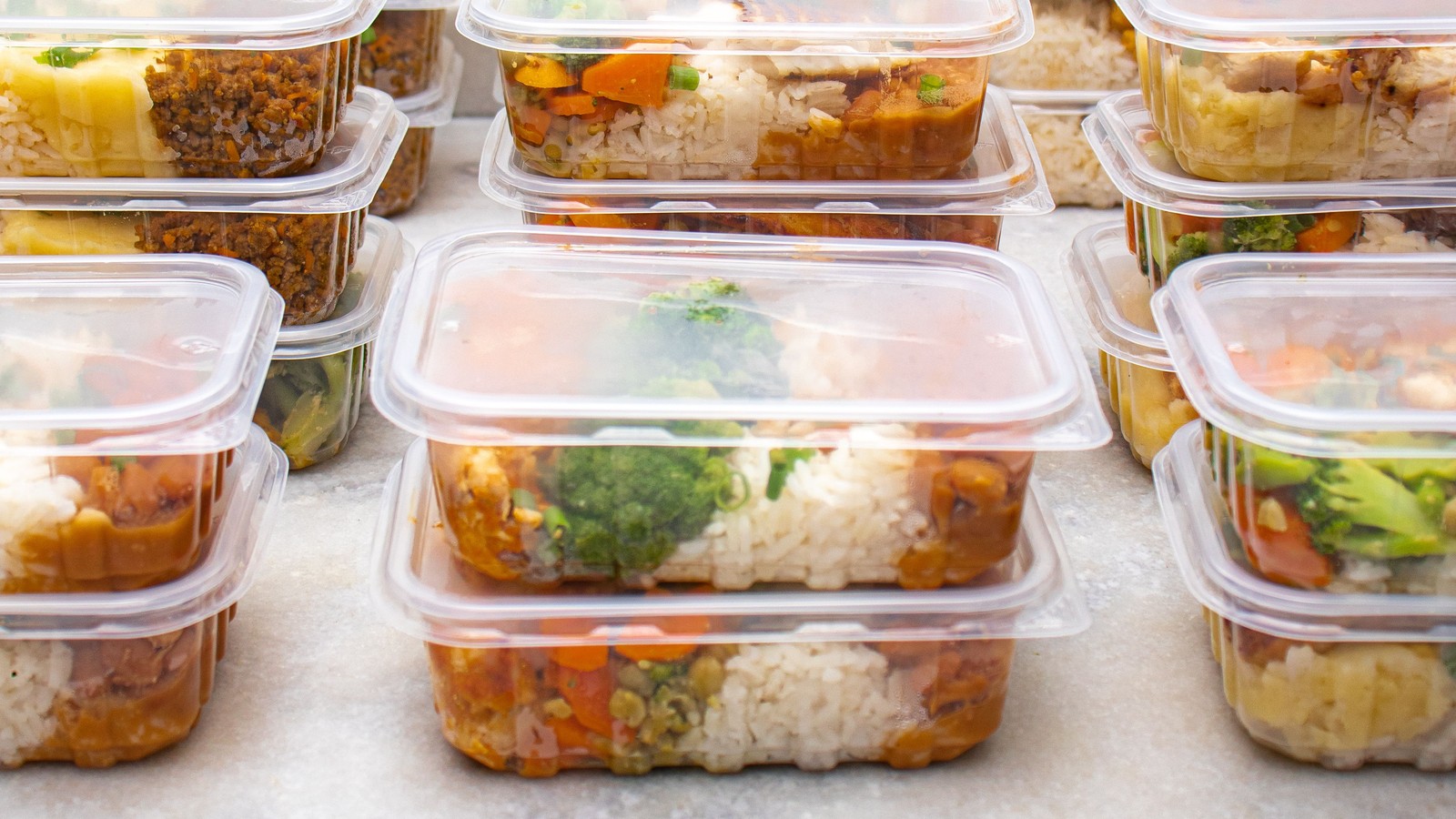
By RNSignal Editorial | November 2026
The microwave has a line, and your lunch is still in a warm locker because you haven't sat down since report. You don't need a Sunday cooking project — just something you can pack in 10 minutes that is still safe and worth eating when you finally get a window.
At RNSignal Magazine, this is the first piece in our Lifestyle section: meals that survive a 12-hour shift. If the harder problem is getting the break at all, start with our guide to missed lunch breaks. Ten minutes here means assembly, not cooking chili from scratch. Keep leftover chicken, rice, soup or pantry staples in the fridge, and these come together on the way out the door.
"Healthy," for this piece, follows the current Dietary Guidelines for Americans: meals built around protein foods, dairy, vegetables, fruits, healthy fats and whole grains, and lighter on highly processed foods and added sugars. NIOSH's training for nurses on shift work makes a similar list for eating during a shift — vegetables, salads, vegetable soups, fruits, whole-grain sandwiches, yogurt, cheese, eggs and nuts — and advises avoiding sugar-rich, low-fiber foods when you need to stay alert.
1. Turkey-hummus wrap
Ingredients: Whole-wheat tortilla, hummus, sliced turkey, spinach, cucumber or shredded carrot, and a piece of whole fruit.
10-minute prep: Spread the hummus, layer the turkey and vegetables, roll it tight, and wrap it in parchment or foil.
How it holds: Eat it cold. No microwave needed. Keep it in an insulated bag with cold sources, or in a refrigerator at work. To avoid a soggy wrap, pack the cucumber and greens separately and add them at the break. USDA says that for best quality, add lettuce and tomatoes later if you freeze a sandwich; the same habit helps a wrap that has to wait.
Why it works on shift: It's one-handed if you get interrupted, with a protein food, vegetables and a whole grain in the same wrap.
2. Chickpea-tuna salad box
Ingredients: Tuna in water, canned chickpeas, olive oil, lemon, cucumber, cherry tomatoes, optional feta, and pita or crackers on the side.
10-minute prep: Drain the tuna and chickpeas, toss everything in a container, and pack the pita or crackers separately.
How it holds: Cold, no microwave. Once mixed, the tuna, chickpeas and cut vegetables all need to stay cold. Skip the tuna for a chickpea-only version.
Why it works on shift: You can eat it with a fork in a short break, and you get protein from seafood and beans plus vegetables.
3. Rotisserie chicken burrito bowl
Ingredients: Leftover or rotisserie chicken, leftover brown rice, black beans or corn, salsa, bell pepper, lime, and optional cilantro and cheese. Pack lettuce or avocado separately.
10-minute prep: Build the bowl from leftovers. Keep cold toppings in a second container.
How it holds: Reheat the chicken, rice and beans until steaming, to at least 165°F, then add the salsa and vegetables. Or eat it cold, as long as it stayed cold all shift. The Academy of Nutrition and Dietetics says cooked chicken keeps three to four days and cooked rice lasts three to five days if you cooled them quickly in shallow containers at 40°F or below.
Why it works on shift: It uses last night's dinner, hot or cold, depending on the microwave line.
4. Savory cottage cheese box
Ingredients: Cottage cheese or plain Greek yogurt, cherry tomatoes, cucumber, one or two hard-boiled eggs, whole-grain crackers, a handful of nuts, and a piece of whole fruit.
10-minute prep: Portion the cottage cheese, add the vegetables and eggs, and keep the crackers and nuts in a separate bag.
How it holds: Cold, no microwave. Cottage cheese, yogurt and eggs need ice packs or a refrigerator. USDA lists whole fruit, hard cheese, crackers and peanut butter among foods that don't require a cold source.
Why it works on shift: It's fork-and-finger food, and it matches the yogurt, cheese, eggs, nuts and fruit on NIOSH's shift-eating list.
5. Thermos chili or lentil soup
Ingredients: Leftover chili, lentil soup or vegetable soup, plus a piece of whole fruit or a whole-grain roll.
10-minute prep: USDA's method is specific: fill an insulated container with boiling water, let it stand for a few minutes, empty it, then add piping hot food. Reheat the soup at home until piping hot, fill the thermos, and close it.
How it holds: Keep the container closed until you eat, to hold the food hot — 140°F or above. If you're not confident it will stay hot, pack a cold lunch instead.
Why it works on shift: A hot lunch without the microwave line. NIOSH includes vegetable soups among foods to eat during a shift.
Keep it safe until you actually get a break
Harmful bacteria multiply quickly in the "Danger Zone" between 40°F and 140°F. Perishable food should not sit at room temperature more than 2 hours — or 1 hour above 90°F, including in a hot car. If lunch has been sitting on a desk or in a warm locker past that window, throw it out. Don't taste it to decide.
USDA says insulated, soft-sided bags are best, and you should pack at least two cold sources with perishable food: two frozen gel packs (each not smaller than 5 by 3 inches), or a gel pack plus a frozen water bottle, on the top and bottom of the food. FoodSafety.gov says the same, and adds: store the lunch in a refrigerator or cooler on arrival if one is available. If you put the insulated bag in the fridge, leave it open so cold air can reach the food.
It's fine to prep food the night before, but pack the bag right before you leave and keep cooked food at 40°F or below until then. After you eat, discard leftover perishable food and wash the lunch box with warm, soapy water.
If you only get 10 minutes to eat
Pack lunches you can eat with a fork or in a few bites, and skip the microwave when the line would use up the break. If you can, eat away from the nurses' station; NIOSH suggests eating with colleagues in a pleasant environment away from the work site. Wash your hands before you eat. If the break gets cancelled, put the lunch back in the fridge or the insulated bag — not on the desk.
Keep water in reach, too. See hydration on a 12-hour shift and What's in Your Bag for the lunch bag, ice packs and backup snacks.
This is general education, not medical or nutrition advice. Follow your clinician's advice, especially if you have diabetes, food allergies or another condition that affects what you eat, and follow your facility's rules about food on the unit.
Tell us what actually survives your shift
What's in your lunch bag — and what has failed by hour 10?
Share your voice with RNSignal Magazine, or join the conversation in Shift Talk.
Sources
- USDA Food Safety and Inspection Service, Keeping "Bag" Lunches Safe, last updated July 25, 2025.
- FoodSafety.gov, Food Safety by Events and Seasons (Bag Lunches for School and Work), date last reviewed Nov. 13, 2025.
- Academy of Nutrition and Dietetics, Cook Once, Eat Safely throughout the Week, reviewed Aug. 20, 2026.
- Academy of Nutrition and Dietetics, 4 Simple Steps to Keep Food Safe, reviewed Jan. 23, 2026.
- NIOSH, Training for Nurses on Shift Work and Long Work Hours, Module 9: Diet Suggestions for Night-Shift Nurses, last reviewed March 31, 2020.
- U.S. Department of Health and Human Services and U.S. Department of Agriculture, Dietary Guidelines for Americans, 2025–2030, 10th Edition, January 2026, via ODPHP (content last updated June 10, 2026) and RealFood.gov.