Nurse Burnout Is a Systems Problem. Here's What Actually Helps
The data say burnout has eased a little since the pandemic peak. For many nurses it hasn't eased enough to stay.

Photo: RDNE Stock project / Pexels
If you're tired in a way a day off doesn't fix, you're not imagining it, and you're not alone. In the most recent national workforce study from the National Council of State Boards of Nursing, more than 138,000 nurses had left the workforce since 2022, and 39.9% of RNs said they intended to leave or retire within five years. Among those planning to leave, about 41.5% named stress and burnout as the root cause, followed by workload, understaffing and inadequate pay (NCSBN, 2024 National Nursing Workforce Study, released April 2025, ncsbn.org/news/ncsbn-research-highlights-small-steps-toward-).
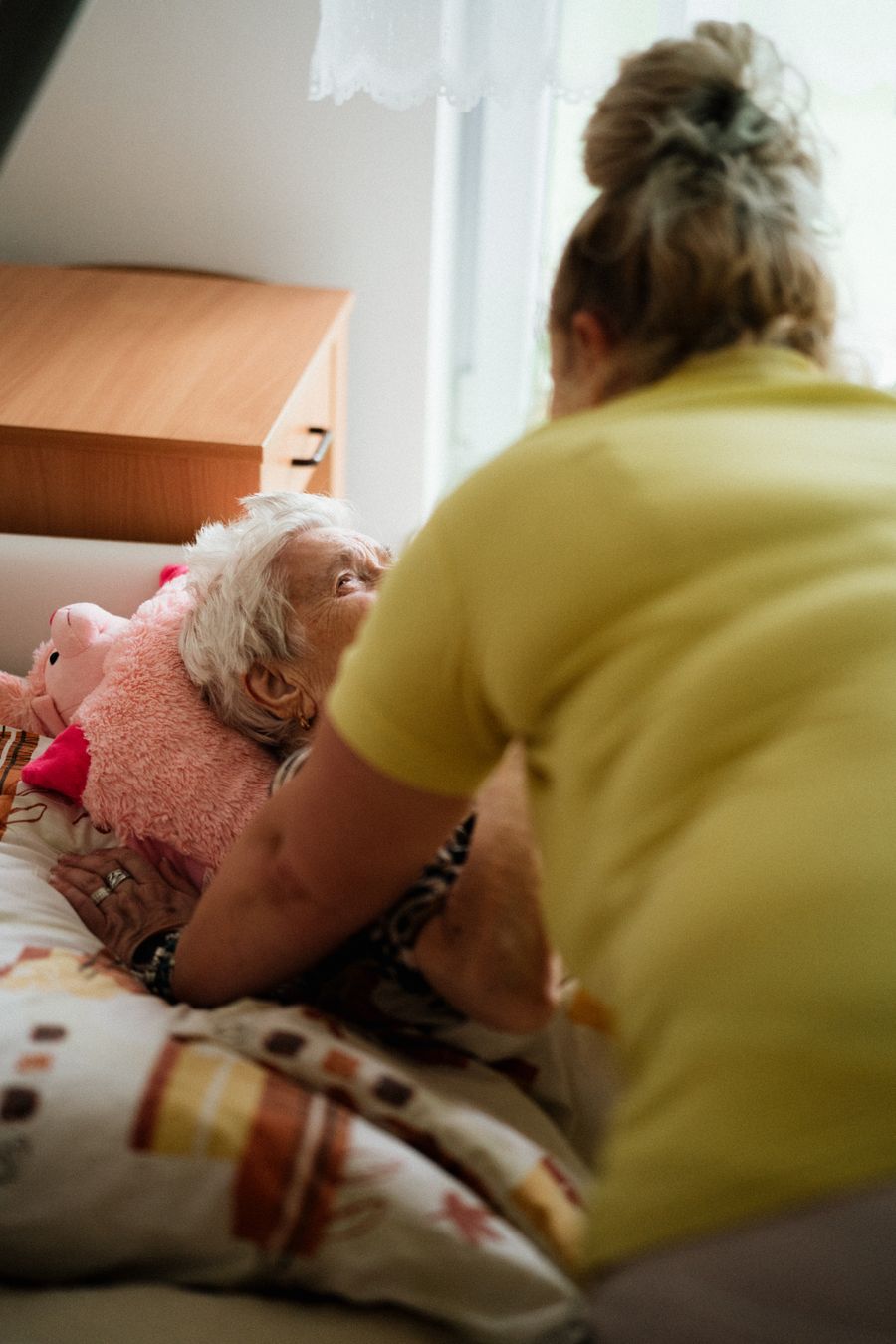
Photo: Jsme MILA / Pexels
There's a sliver of good news. NCSBN found that emotional exhaustion and workloads had moderated since 2022. Its CEO also said plainly that structural issues predating the pandemic remain.
That matches the U.S. Surgeon General's advisory on health worker burnout, which puts the causes in workplace systems: excessive workloads, administrative burdens, limited say in scheduling, and lack of organizational support (U.S. Surgeon General's Advisory on Health Worker Burnout, 2022, HHS, hhs.gov/surgeongeneral/reports-and-publications/health-worke).
So this article doesn't hand you a yoga app. It separates what you can do for yourself (recovery, boundaries, support) from what you can push your unit to change (workload, scheduling input, real breaks). It also tells you when it's time to get help.
Practical takeaways:
- Learn the early signs in yourself and coworkers: dread before shifts, numbness, irritability, sleep changes. The Surgeon General's advisory lists recognizing distress as a first step.
- Protect recovery. Block real days off and say no to extra shifts when you're running on empty.
- Bring one concrete, fixable workload issue to your manager or practice council (missed breaks, a documentation duplication, a broken process).
- Use confidential support: your EAP, a peer-support program, or your own clinician. If you're in crisis, call or text 988.
- If your unit can't change, changing units is a valid fix, not a failure (see Careers).
Sources: NCSBN (2025), link above · HHS Surgeon General Advisory (2022), link above Related: /on-shift/nurse-missed-breaks/ · /new-grads/first-year-nurse-burnout/