First Year Nurse Burnout: Why It Happens and How to Get Through It
Month six is famously hard. You're not failing. You're learning in the hardest classroom there is.
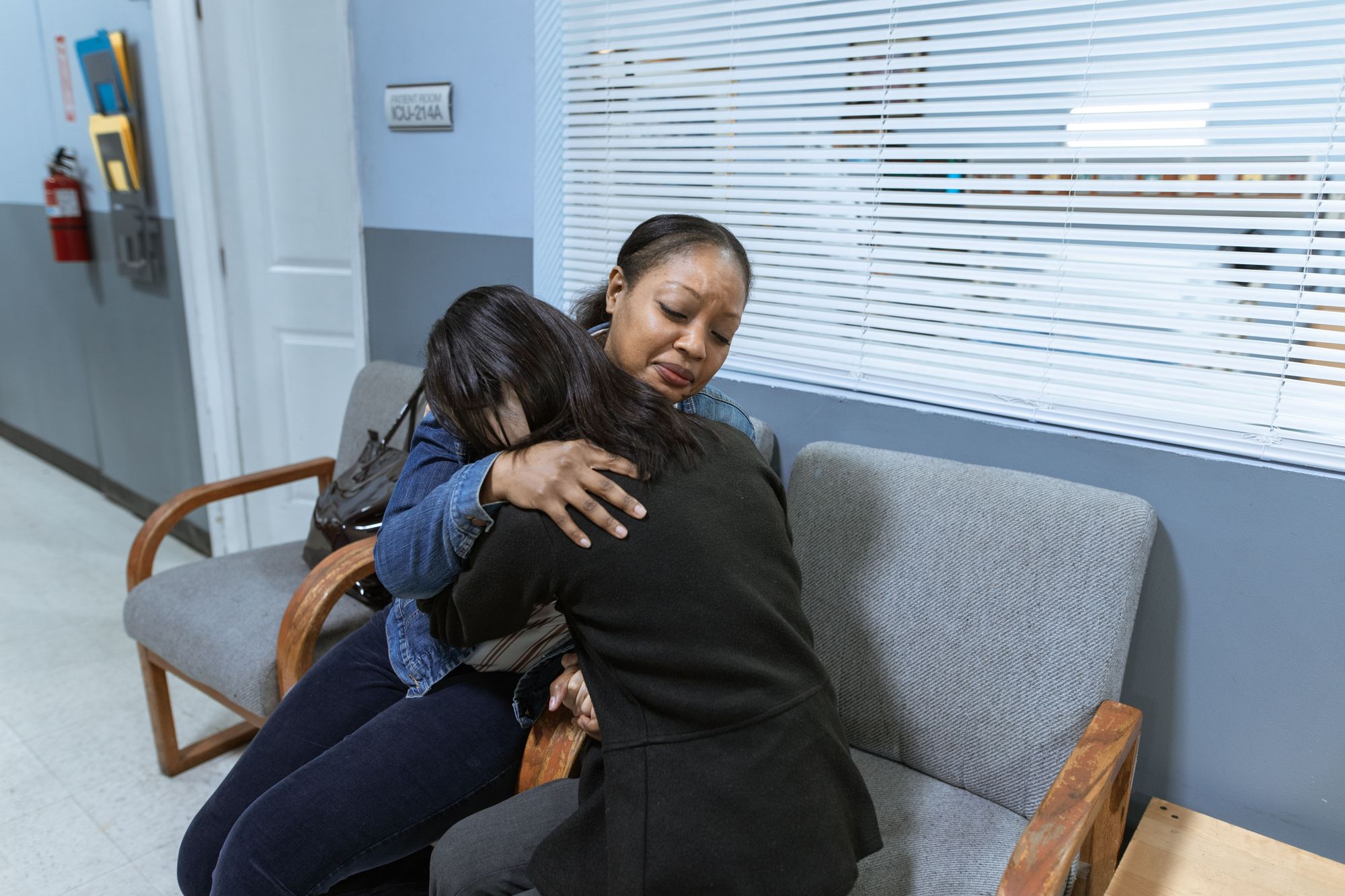
Photo: RDNE Stock project / Pexels
Many new nurses describe a low point somewhere in the first year, after the excitement of the start wears off and before confidence arrives. You know enough to see everything that could go wrong but not yet enough to feel in control.

Photo: Tessy Agbonome / Pexels
That's also when nurses leave. In NSI's 2026 survey, 22.7% of newly hired RNs left within a year (NSI Nursing Solutions, 2026 National Health Care Retention & RN Staffing Report, nsinursingsolutions.com/documents/library/nsi_national_healt). Nationally, NCSBN found that stress and burnout were the leading reason, aside from retirement, among RNs planning to leave (NCSBN, 2024 National Nursing Workforce Study, released April 2025, ncsbn.org/news/ncsbn-research-highlights-small-steps-toward-).
Some of it is the job and some is the system. Our main burnout article (/bedside/nurse-burnout/) covers the system side. Here we focus on the first year: what's normal, what's not, and what helps.
Educational note: This is not medical or mental health advice. If you're in crisis, call or text 988 (Suicide & Crisis Lifeline), and reach out to your own clinician or EAP.
Practical takeaways:
- Expect a dip, and know it usually passes as skills catch up.
- Stay connected to your cohort, since they're going through the same thing.
- Protect sleep, food and days off like clinical priorities.
- Tell your educator or manager if you're struggling. Early support is easier to give.
- Know when it's more than a rough patch: persistent dread, hopelessness, or physical symptoms. Get help.
Link idea: https://jobs.rnsignal.com/jobs/search/rn-jobs?utm_source=rnsignal&utm_medium=site&utm_campaign=new-grads&utm_content=first-year-nurse-burnout
Sources: NSI (2026), NCSBN (2025), links above · 988 Lifeline (listed on the HHS burnout page, hhs.gov/surgeongeneral/reports-and-publications/health-worke)
New-grad and residency job category pending on the board.