Your First Code as a New Nurse: What Happens and How to Be Useful
You won't run it. You can make it run better.
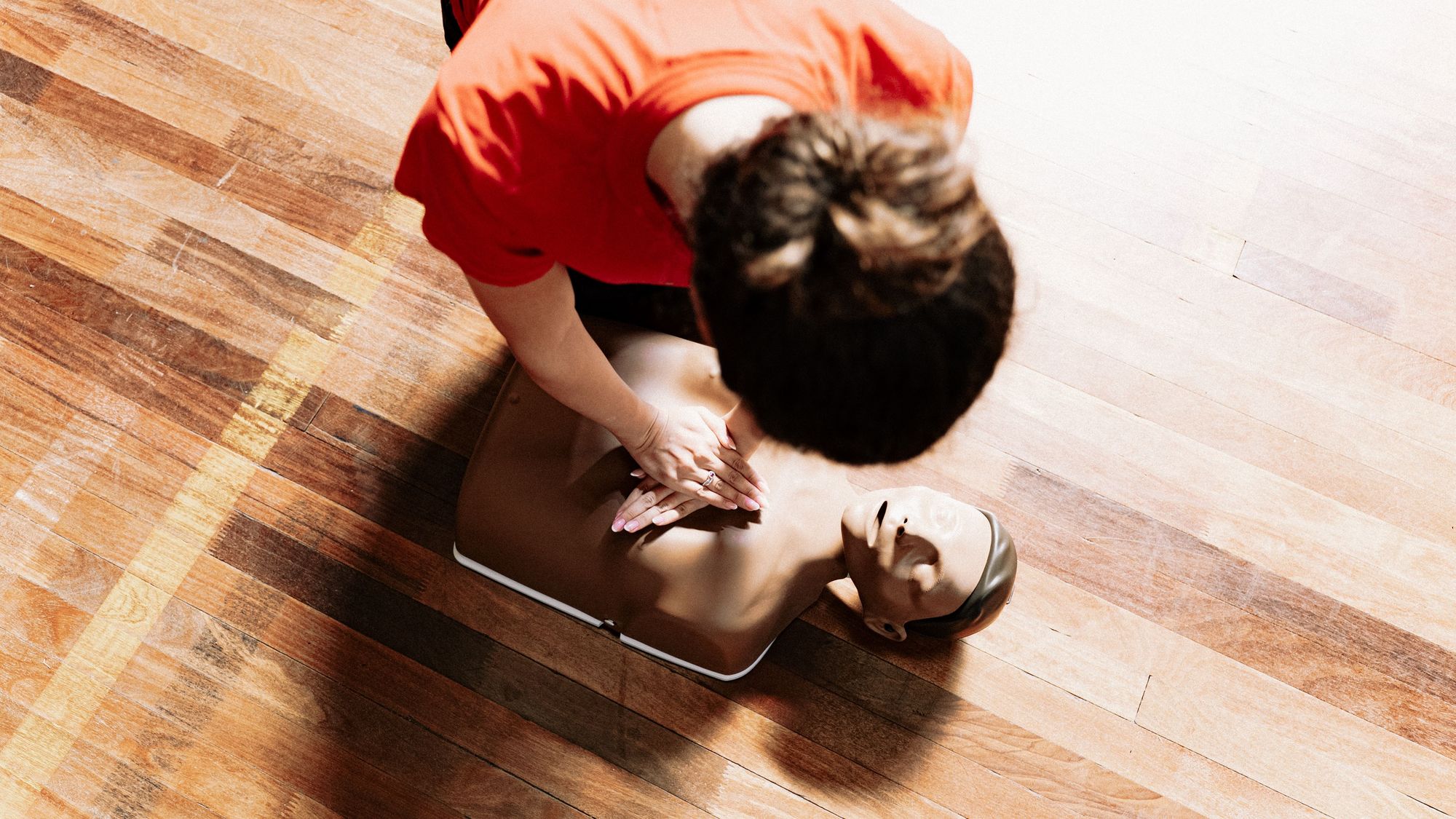
Photo: Aleson Padilha / Pexels
Your first code is unforgettable: the alarm, the rush of people, the noise. Most new grads freeze for a second. That's normal.

Photo: Tessy Agbonome / Pexels
The good news is that a code is a team event with defined roles, and new nurses have useful jobs in it: compressions (if trained and current), recording, running for supplies, or being the patient's nurse who knows the history. Accredited hospitals must provide resuscitation education and training at orientation, periodically after that, and when staff responsibilities change. Mock codes are one listed example (Joint Commission, NPG 2026, NPG.01.05.03, digitalassets.jointcommission.org/api/public/content/9ca8005).
Afterward, talk about it. A debrief with your preceptor or team helps you process what happened, especially if the outcome was hard.
Educational note: Follow your hospital's resuscitation policies and your current certification training. This article is not clinical instruction.
Practical takeaways:
- Know where the code cart is on every unit you work, and what's in each drawer.
- Ask to join mock codes and to observe a real code during orientation.
- If your patient codes, be ready to give a 30-second summary to the team leader.
- Pick a role, say it out loud ("I'll record"), and stick to it.
- Debrief afterward and use your employee support resources if it stays with you.
Link idea: https://jobs.rnsignal.com/jobs/search/rn-jobs?utm_source=rnsignal&utm_medium=site&utm_campaign=new-grads&utm_content=first-code-as-a-new-nurse
Sources: Joint Commission NPG (2026), link above
New-grad and residency job category pending on the board.