Switching Nursing Specialties Mid-Career: How to Make the Move Without Starting Over
Your assessment skills travel. Here's how to carry them into a new unit.
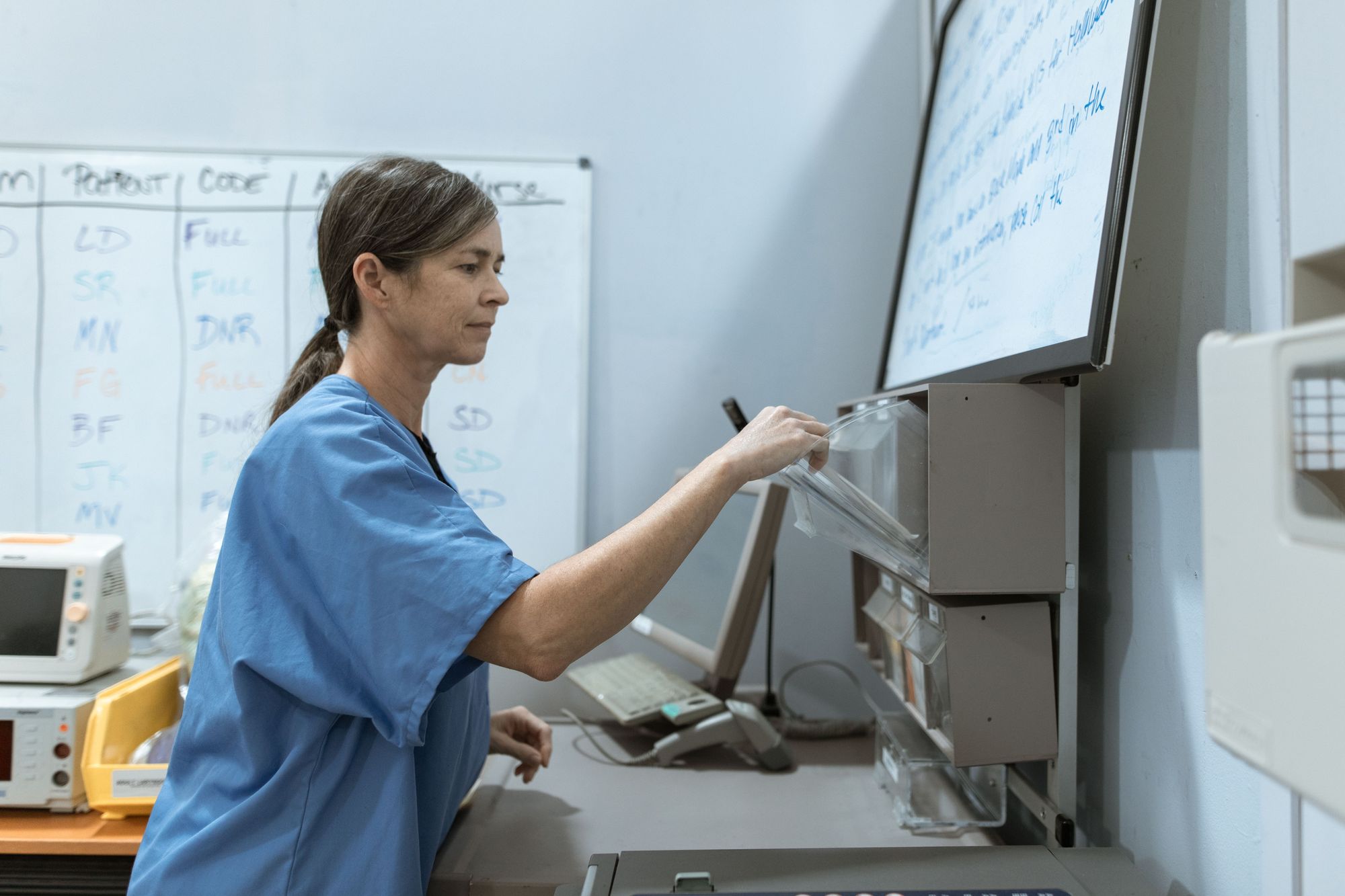
Photo: RDNE Stock project / Pexels
Med-surg to ICU. ICU to PACU. ED to outpatient oncology. Plenty of experienced nurses switch specialties, and most find their core skills (assessment, prioritization, communication, staying calm when things go sideways) transfer better than they feared.

Photo: Kaboompics / Pexels
BLS describes the range of specialties RNs work in, from critical care and cardiovascular to nephrology, rehabilitation, public health and addiction nursing. It also notes that nurses can earn voluntary certification in specialty areas through professional associations, which some employers require (BLS, Occupational Outlook Handbook: Registered Nurses, 2026, bls.gov/ooh/healthcare/registered-nurses.htm).
The hardest part of switching usually isn't skill. It's being new again after years of being the person everyone asks. This article covers how to pick a specialty that fits the life you want, how to get your foot in the door (shadow shifts, internal transfer, specialty fellowships), and how to handle the ego hit of orientation.
Practical takeaways:
- Shadow a shift or two before you apply, and ask the unit's nurses what they wish they'd known.
- Look for internal transfer programs or specialty fellowships, which are often friendlier to experienced RNs than new hires.
- Take a specialty course or certification-prep class to show commitment (check eligibility requirements first).
- Negotiate orientation length up front. Experienced doesn't mean you need no orientation.
Link idea: "See RN roles by specialty →" https://jobs.rnsignal.com/jobs/search/rn-jobs?utm_source=rnsignal&utm_medium=site&utm_campaign=next-move&utm_content=switching-nursing-specialties
Sources: BLS OOH Registered Nurses (2026), link above