How to Become a CRNA: The Critical Care Road to Nurse Anesthesia
High demand, high pay, and one of the most demanding training paths in nursing.
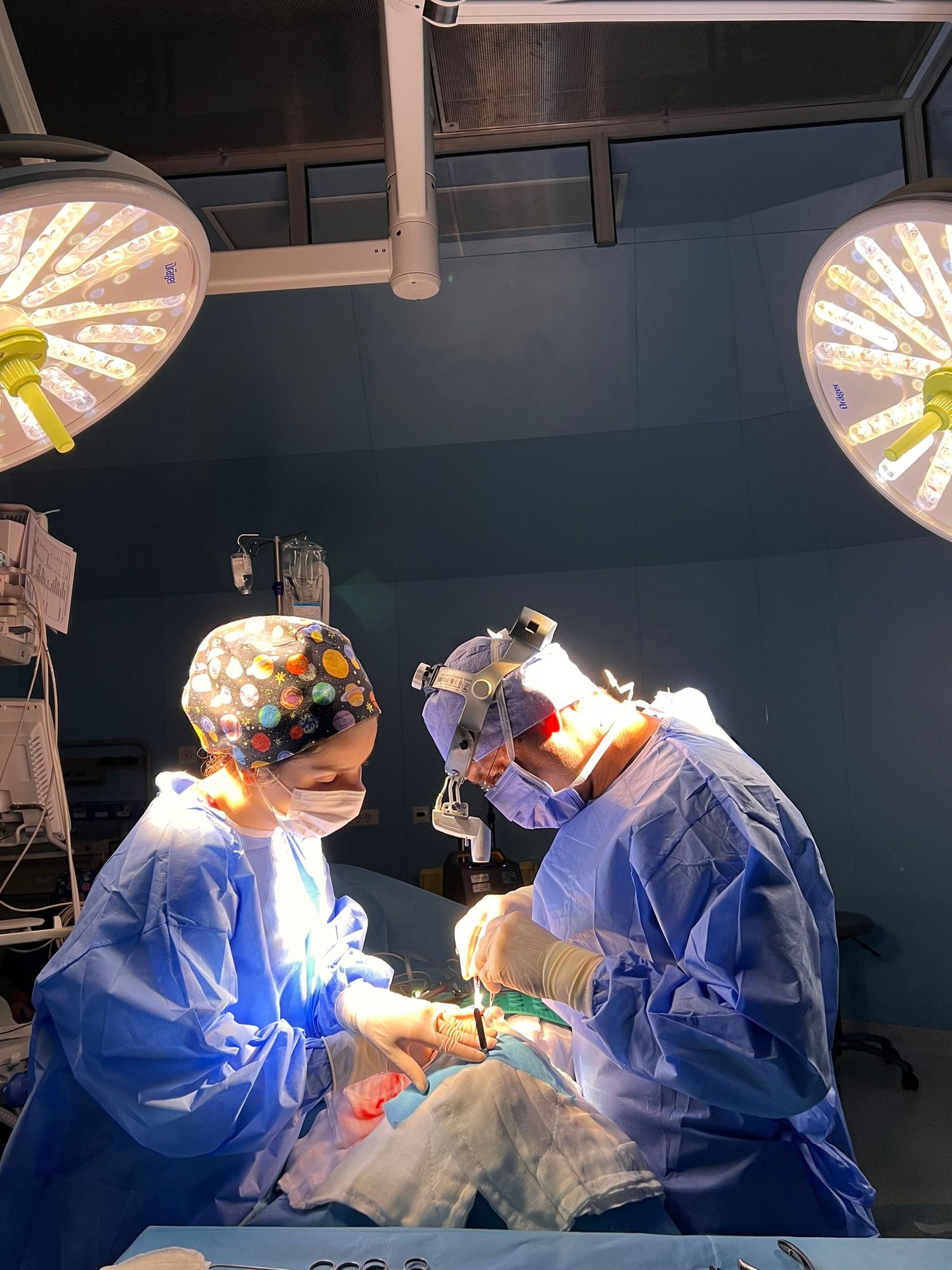
Photo: Zeynep Özata / Pexels
Certified registered nurse anesthetists give anesthesia and care for patients before, during and after surgical, diagnostic and obstetric procedures. The role carries a lot of responsibility, and the pay reflects it. The median annual wage for nurse anesthetists was $236,590 in May 2025. BLS projects employment to grow 10% from 2025 to 2035, from about 54,500 to 59,800 jobs (U.S. Bureau of Labor Statistics, Occupational Outlook Handbook: Nurse Anesthetists, Nurse Midwives, and Nurse Practitioners, 2026, bls.gov/ooh/healthcare/nurse-anesthetists-nurse-midwives-and).

Photo: Kaboompics / Pexels
The entry point is the ICU. The Council on Accreditation of Nurse Anesthesia Educational Programs (COA) requires, for practice-doctorate programs, "a minimum of one year full-time work experience, or its part-time equivalent, as a RN in a critical care setting." COA defines a critical care area as one where the RN routinely manages invasive hemodynamic monitors, cardiac assist devices, mechanical ventilation and/or vasoactive infusions. Examples include surgical, cardiothoracic, coronary, medical, pediatric and neonatal ICUs. Experience in other areas may be considered if the nurse can demonstrate competence with unstable patients, invasive monitoring, ventilators and critical care pharmacology (COA, "How did the COA determine the entrance requirements…," coacrna.org/how-did-the-coa-determine-the-entrance-requireme). One year is the floor. COA notes that applicants reported an average of 3.4 years of acute care experience in NBCRNA's FY2013 data (same URL). Individual programs set their own additional requirements, so check each one.
This article lays out the steps in order, from ICU years to application to graduate school to certification, and is honest about the trade-offs: full-time school that's hard to combine with work, and a few years of serious study.
Practical takeaways:
- Get at least one full year (or part-time equivalent) of true critical care experience, managing drips, vents and invasive lines, which is what COA's definition centers on.
- Shadow a CRNA before you apply.
- Look at program length, cost and clinical sites before you commit.
- Budget for time away from work. Most programs make working alongside school very difficult.
Link idea: "Find ICU and critical care RN roles to build your experience →" https://jobs.rnsignal.com/jobs/search/rn-jobs?utm_source=rnsignal&utm_medium=site&utm_campaign=next-move&utm_content=how-to-become-a-crna (no ICU/CRNA category yet; flagged)
Sources: BLS OOH APRN (2026), COA admission-requirements page, links above