Nurse Scheduling Best Practices: Fair, Safe and Predictable
The schedule is the most personal policy you control. Treat it that way.
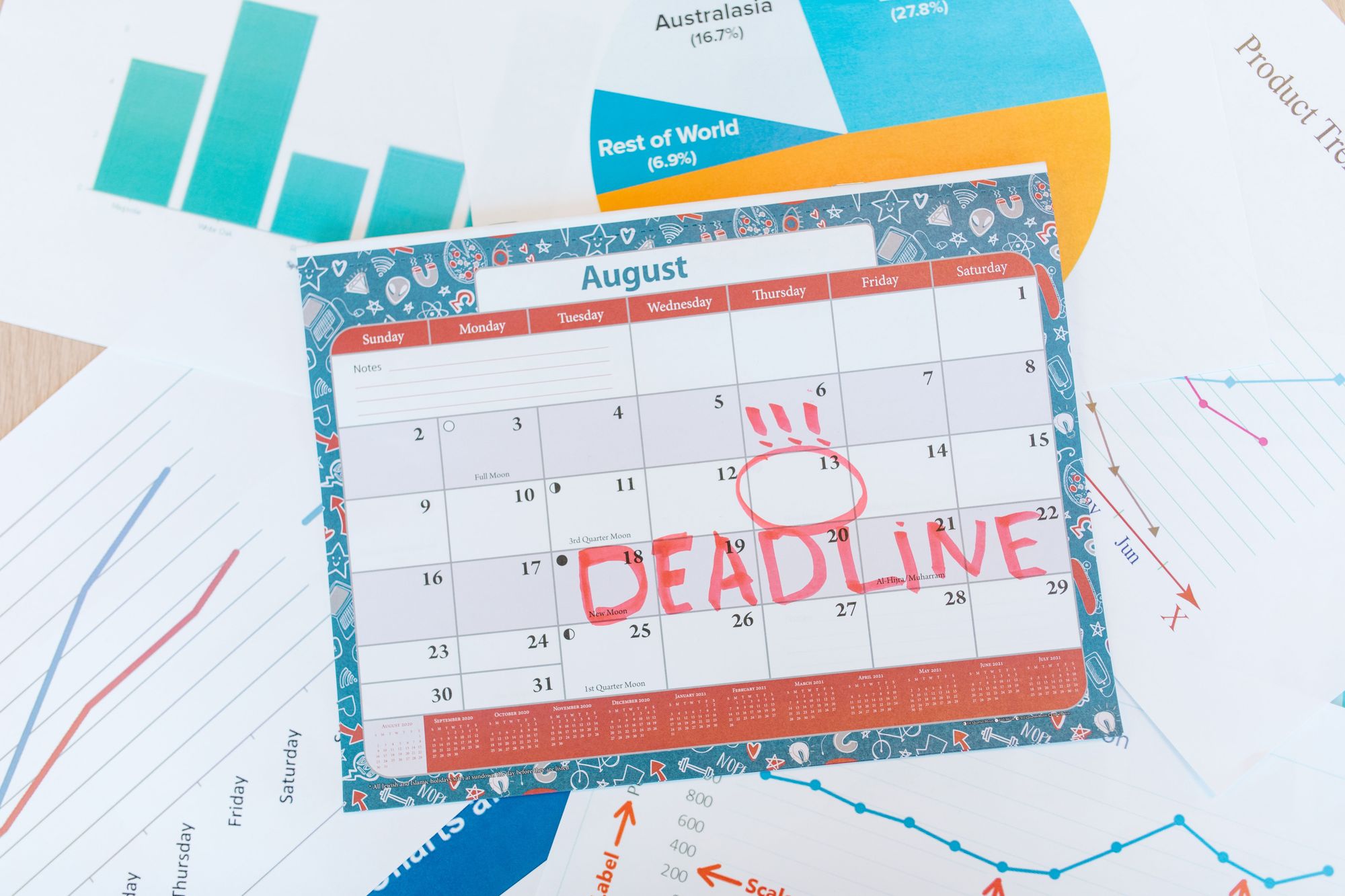
Photo: RDNE Stock project / Pexels
For many nurses, the schedule is the job. It decides whether they make the kid's recital, sleep before a night, or quietly start looking elsewhere. The U.S. Surgeon General's advisory on health worker burnout names "limited say in scheduling" among the workplace factors that drive burnout (HHS, 2022, hhs.gov/surgeongeneral/reports-and-publications/health-worke).

Photo: Monstera Production / Pexels
Safety matters too. NIOSH reports that, compared with day shifts starting after 0700, risks of accidents and errors are 28% higher on night shifts and 15% higher on evening shifts (NIOSH, Shiftwork, Long Work Hours, Fatigue, 2022, cdc.gov/niosh/learning/safetyculturehc/module-2/9.html). NIOSH's training for nurse managers recommends avoiding pressure on nurses to work extra shifts, offering services that protect rest when overtime is unavoidable, and including sleep education in orientation (NIOSH Training for Nurses, Module 5, cdc.gov/niosh/work-hour-training-for-nurses/longhours/mod5/1).
This article covers self-scheduling with guardrails, transparent holiday rotations, limits on back-to-back shifts, fair call-off rotations, and how to keep overtime from becoming the staffing plan.
Practical takeaways:
- Publish scheduling rules in writing: self-schedule windows, holiday rotation, how open shifts get filled.
- Watch for fatigue patterns (night-to-day flips, long stretches) and set limits.
- Make call-off and low-census rotations visible and even.
- Survey staff once a year on what would make the schedule work better, then act on one item.
- If your state limits mandatory overtime, make sure charge nurses and supervisors know the rules.
Employer link (end of page): "Fill open shifts faster: post on RNSignal →" https://jobs.rnsignal.com/employers/sign_up?utm_source=rnsignal&utm_medium=site&utm_campaign=leaders&utm_content=nurse-scheduling · /advertise/
Sources: HHS (2022), NIOSH (2022), NIOSH Module 5, links above
Related (for staff): /on-shift/nurse-self-scheduling-holidays/